The Sitting Room Nobody Uses Every Day: Is It Being Designed for the Wrong Reason?

There is a particular kind of room in some homes that is always ready for company. The cushions are arranged, the centre table is cleared, and the best furniture remains untouched. It looks complete, yet the family spends most of its time elsewhere.
The problem is not necessarily that the room is formal. A separate sitting room can serve a genuine purpose: receiving visitors without bringing them through private family spaces. The problem begins when its design is based entirely on how it should look when guests arrive.
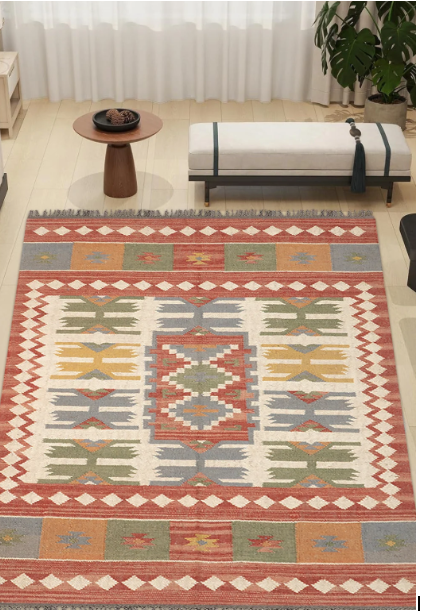
That distinction matters when choosing rugs for sitting rooms. A handmade rug in an occasionally occupied room has to contend with long periods of limited movement, fixed furniture, changing light exposure, and occasional bursts of activity. These conditions are different from those in an everyday family lounge.
The objective should be to choose for the room’s actual life, not just its most presentable moment.
A Room Used Occasionally Has a Different Pattern of Wear
Foot traffic is not the only factor that determines how an area rug ages. In a family lounge, repeated movement can spread wear across several areas. In a guest-facing sitting room, movement may be concentrated along one route: from the entrance to the chairs, around the centre table and towards the serving area.
That creates a different wear pattern.
Imagine a 3BHK apartment in Gurgaon with a separate sitting room near the entrance and a family lounge deeper inside. The sitting room may remain quiet on ordinary weekdays, then accommodate several visitors over a weekend. The rug experiences relatively little movement for much of the month, but its entrance-side area and the space around the main seating receive more concentrated use.
A uniformly distressed, softly patterned or textured design may disguise minor visual irregularities better than a completely plain surface. But pattern is not a substitute for suitable construction or cleaning. The useful buying distinction is between total footfall and concentrated footfall. A room with fewer users can still develop visibly uneven wear if everyone follows the same route.
Furniture That Never Moves Can Leave Its Own Mark
An occasional-use room often has furniture that stays in the same position for long periods. A heavy sofa, carved armchair or centre table may place continuous pressure on the same sections of the handmade rug.
Pile compression is a physical consequence of weight pressing the fibres down. It can produce visible indentations, particularly where heavy furniture rests on narrow legs. The extent and recovery depend on the rug’s fibre, pile construction, weight distribution, and duration of pressure.
The Canadian Conservation Institute recommends repositioning furniture periodically and using supports beneath furniture feet to reduce permanent carpet indentations. This has a practical implication for a formal sitting room with substantial furniture: do not select an authentic handmade rug without considering what will rest on it.
Furniture cups or suitable protective supports can help distribute pressure. They must also be compatible with the rug and the flooring beneath it. If the room is rearranged only for occasions, check that furniture is lifted rather than dragged across the textile.
The Room May Be Empty, but the Sunlight Is Still Working
This is one of the easiest maintenance factors to overlook. A rug placed in front of a large window continues to receive light even when nobody enters the room. If part of its surface is exposed to direct sunlight while another part remains beneath a sofa, the colour difference can become increasingly noticeable.
Consider a single-floor villa in Kolkata with a front sitting room opening towards a verandah or garden. Its windows may bring in generous daylight, but the rug’s position relative to those openings matters. A carpet placed in a fixed patch of direct sun can fade unevenly over time.
The Canadian Conservation Institute identifies light exposure as a cause of colour fading and fibre deterioration in carpets and textiles.
A few sensible precautions:
- Use curtains or blinds during periods of strong direct sunlight.
- Check whether the rug receives sunlight for several hours in the same position.
- Rotate it periodically when its shape, pattern and furniture arrangement permit.
- Avoid assuming that a darker rug or a natural-fibre rug is automatically protected from fading.
Rotation distributes exposure. It does not reverse colour that has already faded.
Occasional Hosting Needs a Different Kind of Practicality
A sitting room may experience very little everyday activity but become busy when visitors arrive. Unlike a carpet for dining room, which must accommodate frequent chair movement and food spills, a sitting room rug can be selected around its specific pattern of use and furniture arrangement.
The centre table starts carrying tea, water and snacks. Chairs are pulled out. People move between the entrance and the seating area. Someone may place a serving tray on the rug while another person moves a side table to make room.
These are not unusual design emergencies. They are predictable conditions of occasional hosting. This is where construction matters more than a generic durability label.
A low-pile or flatweave rug can make moving occasional chairs easier than a deep, high-pile design. A dense pattern can be more forgiving of minor visual marks than a large uninterrupted pale field. An area rug intended for a room where refreshments are served should also have care requirements the owner can realistically follow.
For example, an authentic silk rug may be a considered decorative choice in a room with controlled use, but spills still require material-specific treatment. A handmade wool rug has different care requirements. Neither should be selected solely on the assumption that fewer visitors mean fewer risks.
The right question is not whether a designer handmade rug is labelled durable. It is whether its construction suits the specific activity expected in the room.
Should the Sitting Room Look Like the Rest of the House?
A separate sitting room does not need to imitate the family lounge. It can have its own character, particularly when it is positioned near the entrance and forms part of the home’s first impression. But making it formal does not require filling it with matching furniture, elaborate upholstery and an equally elaborate carpet.
Consider a home where the sitting room contains a carved wooden console, a significant painting and traditional furniture. A heavily ornamental Persian-style rug may repeat details that are already prominent. A more restrained border-led design or a tonal pattern could give those objects room to stand out.
In another room with simple walls, plain upholstery, and minimal decoration, a stronger traditional or abstract rug could provide the missing visual interest. The choice should reflect the room’s existing design vocabulary, not an assumption that a guest-facing space must look grand.
A sitting room should also feel connected to the rest of the home. Repeating one colour, material or design detail from the adjoining spaces can create continuity without making both rooms look identical.
Before Buying, Assess the Room Between Visits
A photograph taken just before guests arrive will not reveal how the room behaves during the rest of the month.
Look at these five details before selecting a handmade rug:
- Light exposure: Identify where direct sunlight falls and whether it reaches the same section every day.
- Furniture pressure: Check the weight and leg design of the sofa, chairs and centre table.
- Movement pattern: Identify the route visitors actually take through the room.
- Hosting activity: Consider whether refreshments, additional chairs or temporary seating will be used.
- Maintenance access: Make sure the rug can be vacuumed, lifted and inspected without moving an impractical amount of furniture.
These checks are more useful than selecting a carpet simply because it looks suitable for a formal interior.
A Sitting Room Should Be Designed for Its Actual Purpose
An occasionally used room does not need an area rug chosen purely for display. Nor does it need the same construction as a busy family lounge. Its selection should account for how people enter, where furniture remains, how daylight reaches the floor, and what happens when visitors arrive.
A formal sitting room can be visually expressive without becoming untouchable. It can contain a distinctive handmade rug, a meaningful artwork, and carefully selected furniture while remaining practical to maintain. The aim is not to keep the room looking untouched. It is to make sure it works when somebody finally uses it.