Interior Home Painting Ideas and Tips for Beautiful Living Spaces


Introduction
Interior home painting is one of the most effective and affordable ways to refresh the appearance of a house. Whether you are moving into a new property or planning to renovate your current home, a fresh coat of paint can dramatically improve the overall atmosphere. The right paint colors can make rooms appear larger, brighter, and more inviting while reflecting your personal style and preferences.
Many homeowners underestimate the impact that interior home painting can have on comfort and aesthetics. Beyond enhancing visual appeal, quality paint also protects walls from everyday wear and tear. From choosing suitable color combinations to understanding different paint finishes, every decision contributes to the final outcome. Proper planning and preparation ensure long-lasting results that increase the value and beauty of your home. This guide explores everything you need to know about interior painting, helping you make informed decisions for a successful home makeover.
Why Interior Home Painting Is Important
Interior home painting goes beyond simple decoration. It serves both functional and aesthetic purposes that contribute to a comfortable living environment. Fresh paint helps cover stains, marks, and imperfections that naturally develop over time. It also acts as a protective barrier against moisture, dust, and daily damage caused by regular household activities.
Another significant benefit is the emotional impact of color. Warm shades can create a cozy atmosphere, while cooler tones promote relaxation and calmness. Different rooms require different moods, and paint selection plays an important role in achieving those objectives. For example, bedrooms often benefit from soothing colors, while living areas may feature more energetic and welcoming tones.
Additionally, well-maintained interiors can positively influence property value. Prospective buyers are often attracted to homes with clean, freshly painted walls because they suggest proper upkeep and attention to detail. Therefore, investing in professional-quality painting can offer long-term advantages beyond immediate visual improvements.
Choosing the Right Colors for Your Home
Selecting paint colors is one of the most exciting aspects of interior home painting. However, the abundance of choices can sometimes feel overwhelming. Understanding the psychological effects of colors can simplify the process and lead to more satisfying results.
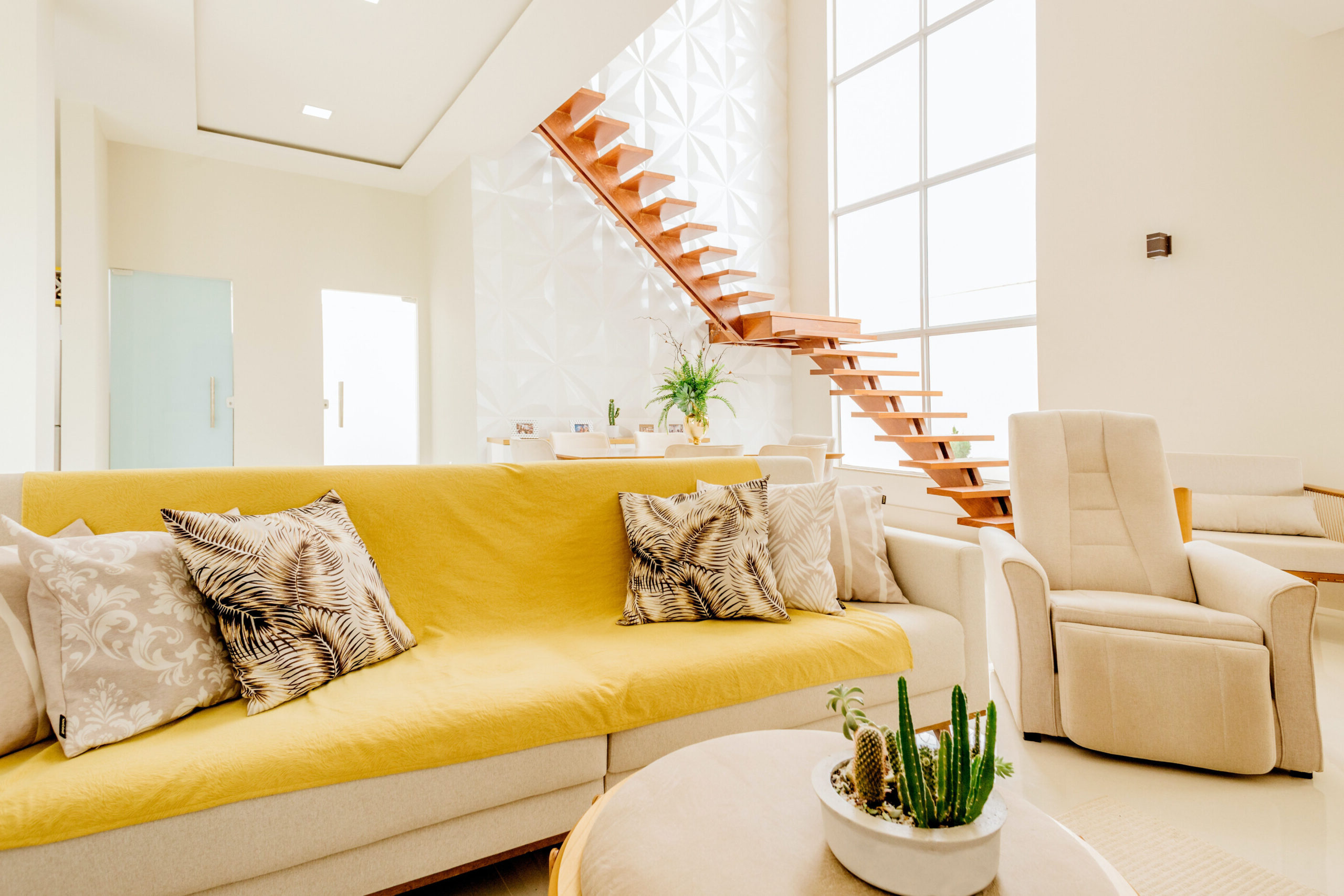
Neutral colors such as beige, cream, gray, and white remain popular because they provide versatility and timeless appeal. These shades create a clean backdrop that complements various furniture styles and decorative elements. Soft blues and greens are excellent choices for bedrooms due to their calming influence, while warm yellows and earthy tones work beautifully in dining spaces and family rooms.
Natural lighting should also influence your color decisions. Rooms with abundant sunlight can accommodate darker hues, whereas smaller spaces with limited light often benefit from brighter shades that enhance openness. Testing paint samples on walls before making a final decision allows you to observe how colors change throughout the day under different lighting conditions.
Understanding Different Paint Finishes
The finish you select significantly affects both the appearance and durability of painted surfaces. Interior home painting projects commonly utilize several finish options, each suited for specific applications.
Matte finishes provide a smooth, elegant appearance that effectively conceals wall imperfections. They are frequently used in bedrooms and formal living spaces where minimal cleaning is required. Eggshell finishes offer a slight sheen and improved durability, making them suitable for moderate-traffic areas.
Satin finishes are popular for family rooms, hallways, and children’s bedrooms because they resist stains and allow easier cleaning. Semi-gloss paints are commonly applied to kitchens, bathrooms, trims, and doors due to their moisture resistance and durability. High-gloss finishes deliver a dramatic shine but require meticulous surface preparation because they highlight imperfections.
Understanding these characteristics enables homeowners to choose finishes that balance aesthetics, practicality, and maintenance requirements for every room in the house.
Preparing Walls Before Painting
Successful painting projects begin with thorough preparation. Skipping this essential step can compromise the final appearance and reduce the lifespan of the paint. Proper wall preparation ensures better adhesion and a smoother finish.
Start by removing dust, dirt, and grease using a mild cleaning solution. Repair cracks, holes, and dents with suitable filler materials, allowing sufficient drying time before sanding the surface smooth. Loose or peeling paint should be scraped away to create an even base for new applications.
Protecting furniture and flooring with drop cloths prevents accidental spills and splatters. Painter’s tape can be used around trims, windows, and electrical outlets to achieve neat edges. Applying primer is especially important when covering dark colors, painting new drywall, or addressing stained surfaces. Comprehensive preparation may require additional effort initially, but it contributes significantly to professional-looking results that endure over time.
Popular Trends in Interior Home Painting
Modern design trends continue to influence interior home painting choices. While classic neutral palettes remain widely appreciated, homeowners are increasingly embracing creative approaches that add character and individuality.
Accent walls have gained popularity as a simple yet impactful design feature. By painting one wall in a bold color while keeping surrounding walls neutral, homeowners can establish visual interest without overwhelming the space. Earth-inspired tones such as terracotta, sage green, and warm taupe are also experiencing renewed popularity due to their calming qualities.
Another emerging trend involves layered monochromatic schemes, where varying shades of the same color create depth and sophistication. Sustainable and low-VOC paints are increasingly preferred because they minimize harmful emissions and contribute to healthier indoor environments. These evolving trends demonstrate how interior painting continues to adapt to changing lifestyles and aesthetic preferences.
Benefits of Hiring Professional Painters

Although many individuals enjoy do-it-yourself projects, hiring professionals for interior home painting offers several advantages. Experienced painters possess the skills and knowledge necessary to deliver consistent, high-quality results efficiently.
Professionals understand proper preparation techniques, product selection, and application methods that maximize durability and visual appeal. They also have access to specialized equipment that simplifies challenging tasks such as painting high ceilings and intricate architectural details.
Time savings represent another significant benefit. Painting an entire home requires considerable effort, and professional teams can complete projects more quickly while minimizing disruption to daily routines. Additionally, reputable contractors often provide warranties that offer peace of mind regarding workmanship quality. While professional services involve additional costs, many homeowners consider the investment worthwhile for the convenience and superior finish achieved.
Maintaining Freshly Painted Walls
Proper maintenance extends the life of painted surfaces and preserves their attractive appearance. Routine cleaning prevents the accumulation of dust and stains that can diminish the vibrancy of wall colors over time.
Using soft cloths or sponges with gentle cleaning solutions is generally sufficient for removing minor marks. Abrasive materials should be avoided because they may damage paint finishes. Prompt attention to scuffs and spills minimizes the likelihood of permanent discoloration.
Monitoring humidity levels is particularly important in kitchens and bathrooms, where excess moisture can contribute to peeling or mildew development. Adequate ventilation helps protect painted surfaces in these environments. Periodic touch-ups using leftover paint can address small imperfections before they become more noticeable. Consistent care ensures that your investment in interior painting continues to enhance your home’s appearance for many years.
Conclusion
Interior home painting remains one of the most effective ways to revitalize residential spaces while expressing personal style. From selecting harmonious color palettes to understanding the importance of preparation and maintenance, every aspect contributes to achieving beautiful and durable results. Thoughtful planning enables homeowners to create environments that support comfort, functionality, and visual appeal.
Whether you choose to complete the work independently or hire experienced professionals, investing in quality materials and proper techniques yields lasting benefits. A well-executed interior home painting project enhances mood, protects surfaces, and increases overall property value. By embracing current trends while considering your unique preferences, you can transform ordinary rooms into inspiring living spaces that truly feel like home.