Plumbing Work: Complete Guide to Installation, Maintenance, and Best Practices


Plumbing is one of the most essential systems in every home, office, and commercial building. Without a properly designed plumbing network, daily activities such as cooking, cleaning, bathing, and sanitation become difficult. Professional plumbing work ensures that clean water reaches every fixture while wastewater is safely removed from the property. Whether you are constructing a new home or renovating an existing one, understanding the basics of plumbing helps you make better decisions, reduce maintenance costs, and improve the lifespan of your water supply system.
Modern plumbing involves much more than installing pipes. It includes careful planning, selecting quality materials, following building regulations, and performing regular maintenance. From kitchens and bathrooms to outdoor drainage systems, every component plays an important role in delivering efficiency and convenience. This guide explains everything you need to know about plumbing, including its types, installation process, maintenance tips, costs, and common mistakes to avoid.
What Is Plumbing Work?
Plumbing work refers to the installation, repair, replacement, and maintenance of pipes, fixtures, fittings, valves, drainage systems, and water supply lines in residential, commercial, and industrial buildings. Its primary purpose is to ensure a reliable supply of clean water while safely disposing of wastewater.
A professional plumber designs systems that balance water pressure, prevent leaks, and ensure efficient drainage. Plumbing projects often include installing sinks, showers, bathtubs, water heaters, toilets, washing machine connections, rainwater systems, and underground pipelines.
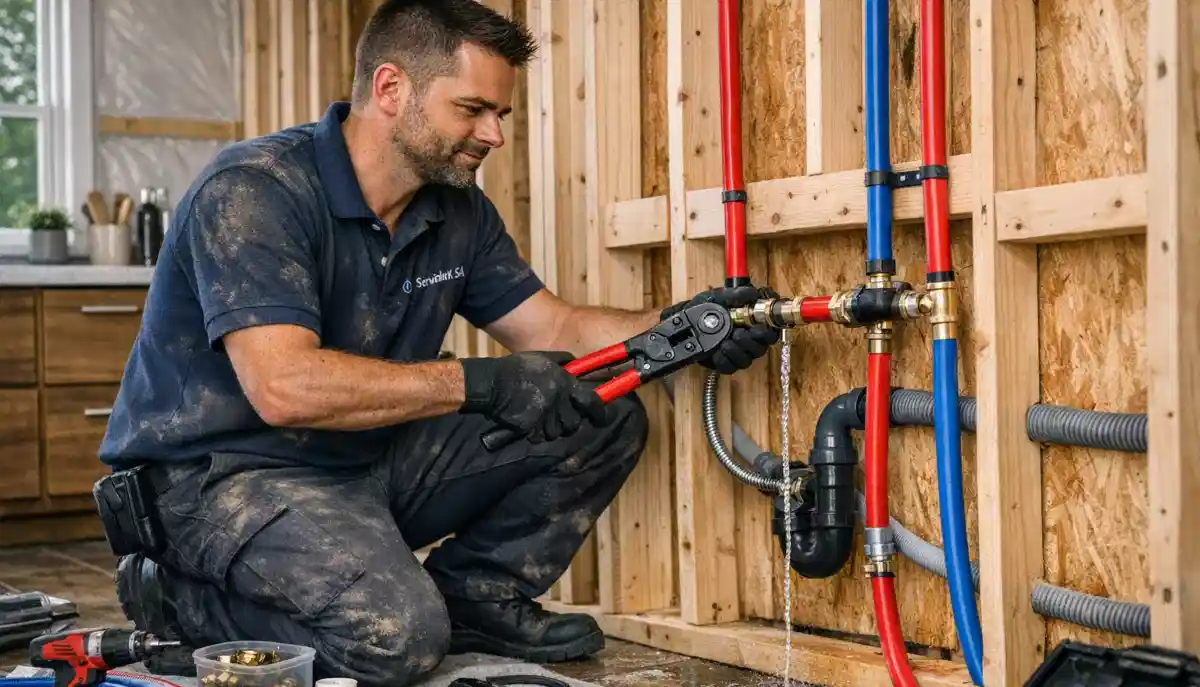
Proper plumbing improves hygiene, conserves water, and protects buildings from costly water damage. High-quality materials and skilled workmanship are critical because poor installation can lead to leaks, mold growth, structural damage, and expensive repairs.
Why Quality Plumbing Is Important
A reliable plumbing system contributes significantly to the comfort, safety, and value of a property. Investing in professional installation reduces future repair costs and increases the overall lifespan of the building.
Some key benefits include:
- Reliable water supply throughout the property
- Efficient wastewater removal
- Better water conservation
- Improved hygiene and sanitation
- Reduced maintenance expenses
- Increased property value
- Lower risk of leaks and structural damage
Quality plumbing also supports energy-efficient appliances such as modern water heaters and water-saving fixtures, helping homeowners reduce monthly utility bills.
Types of Plumbing Work
Different buildings require different plumbing solutions depending on their size, purpose, and water usage.
Residential Plumbing
Residential plumbing focuses on homes, apartments, and villas. It includes kitchen plumbing, bathroom installations, water heaters, drainage systems, and outdoor water supply connections.
Commercial Plumbing
Commercial buildings have larger plumbing networks that support restaurants, hotels, shopping centers, hospitals, and office complexes. These systems handle higher water demand and require specialized maintenance.
Industrial Plumbing
Industrial plumbing involves factories and manufacturing plants where specialized piping systems transport chemicals, gases, steam, and industrial water.
Emergency Plumbing
Emergency services address urgent issues such as burst pipes, overflowing toilets, blocked drains, major leaks, and broken water heaters that require immediate repairs.
Essential Components of a Plumbing System
Every plumbing system consists of several interconnected components that work together to deliver water and remove waste efficiently.
| Component | Purpose |
|---|---|
| Water Supply Pipes | Deliver clean water to fixtures |
| Drainage Pipes | Carry wastewater away |
| Valves | Control water flow |
| Faucets and Fixtures | Provide water access |
| Water Heater | Supplies hot water |
| Traps | Prevent sewer gases from entering buildings |
| Vent Pipes | Balance air pressure in drainage systems |
| Sewer Line | Removes wastewater to municipal systems |
Each component must be properly installed and regularly maintained to ensure optimal performance.
Steps Involved in Plumbing Installation
Professional plumbing installation follows a systematic process to ensure safety and efficiency.
Planning and Design
Before installation begins, plumbers create a detailed layout based on the building’s floor plan. This includes determining pipe routes, drainage slopes, fixture locations, and water pressure requirements.
Material Selection
Choosing durable materials is essential. Common options include PVC, CPVC, PEX, copper, stainless steel, and cast iron, each suited for specific applications.
Pipe Installation
Water supply and drainage pipes are installed according to approved designs while maintaining proper alignment, support, and slope.
Fixture Installation
After pipe installation, fixtures such as sinks, toilets, showers, bathtubs, faucets, and water heaters are connected.
Testing
The complete system undergoes pressure testing and leak detection before being put into service.
Careful execution during every stage ensures dependable plumbing work that performs efficiently for many years.
Common Plumbing Problems
Even well-installed plumbing systems can develop issues over time due to wear, corrosion, improper usage, or aging materials.
Some of the most common problems include:
- Leaking faucets
- Burst pipes
- Low water pressure
- Blocked drains
- Running toilets
- Water heater failures
- Pipe corrosion
- Sewer backups
Most of these issues begin as minor problems but become expensive repairs if ignored. Regular inspections help identify early warning signs before serious damage occurs.
Best Materials Used in Plumbing
Selecting the right pipe material greatly influences durability, maintenance, and overall performance.
PVC Pipes
PVC pipes are lightweight, affordable, corrosion-resistant, and commonly used for drainage systems.
CPVC Pipes
CPVC can handle higher temperatures, making it suitable for both hot and cold water supply systems.
PEX Pipes
PEX piping is flexible, easy to install, and resistant to freezing, making it increasingly popular in modern homes.
Copper Pipes
Copper offers exceptional durability, heat resistance, and long service life, although it is more expensive than plastic alternatives.
Cast Iron Pipes
These pipes provide excellent sound insulation and durability, especially for large drainage systems.
Choosing the right material depends on budget, climate, local building codes, and intended application.
Maintenance Tips for Plumbing Systems
Routine maintenance extends the lifespan of plumbing systems while preventing costly emergencies.
Important maintenance practices include:
- Check pipes regularly for leaks.
- Clean drains before blockages develop.
- Replace damaged washers immediately.
- Avoid disposing of grease down sinks.
- Insulate exposed pipes during cold weather.
- Flush water heaters annually.
- Inspect shut-off valves periodically.
- Schedule professional inspections every year.
Consistent maintenance keeps plumbing work functioning efficiently and minimizes unexpected repair expenses.
Factors Affecting Plumbing Costs
Several variables influence the total cost of plumbing projects.
The size of the property plays a major role because larger buildings require more materials and labor. Material selection also affects pricing, with copper costing more than PVC or PEX. Labor rates vary depending on the region and project complexity.
Additional factors include fixture quality, water heater installation, accessibility of existing pipes, permit requirements, and emergency repair services. Renovation projects often cost more than new installations because old pipes may need removal before new systems can be installed.
Obtaining detailed estimates before beginning work helps homeowners compare options and avoid unexpected expenses.
How to Choose a Professional Plumber
Hiring an experienced plumber ensures quality workmanship and long-lasting results.
Look for professionals who have:
- Proper licensing and certifications
- Relevant experience
- Positive customer reviews
- Transparent pricing
- Written estimates
- Warranty on workmanship
- Knowledge of local building codes
- Good communication skills
Experienced professionals understand complex plumbing systems and can recommend efficient solutions that save money over the long term.
Latest Trends in Modern Plumbing
Technology continues to improve plumbing efficiency and sustainability.
Smart leak detection devices automatically monitor water usage and alert homeowners to leaks before major damage occurs. Touchless faucets improve hygiene while reducing water waste. Tankless water heaters provide hot water on demand and consume less energy than traditional storage tanks.
Water-efficient fixtures, greywater recycling systems, rainwater harvesting, and smart irrigation solutions are becoming increasingly popular for environmentally conscious homeowners. These innovations improve efficiency while lowering utility bills.
Modern plumbing work now combines advanced technology with sustainable design principles to create safer and more efficient buildings.
Common Mistakes to Avoid
Many plumbing problems result from simple installation or maintenance errors.
Avoid these common mistakes:
- Ignoring small leaks
- Using incorrect pipe materials
- Overtightening pipe fittings
- Skipping regular inspections
- Poor drainage slope
- Improper vent installation
- DIY repairs without proper knowledge
- Delaying maintenance
Preventing these mistakes protects your plumbing system and reduces future repair costs.
Benefits of Regular Plumbing Inspections
Routine inspections identify hidden issues before they become major problems. Professional plumbers use specialized equipment to inspect pipes, detect leaks, measure water pressure, and evaluate drainage performance.
Regular inspections improve water efficiency, reduce repair costs, extend equipment lifespan, and protect buildings from moisture-related damage. Homeowners planning renovations also benefit from inspections because they reveal whether existing plumbing can support new fixtures or appliances.
Preventive maintenance is always more affordable than emergency repairs, making scheduled inspections a smart long-term investment.
Conclusion
A dependable plumbing system is essential for every modern building. From supplying clean water to safely removing wastewater, professional plumbing work ensures comfort, hygiene, and long-term property protection. Careful planning, quality materials, skilled installation, and regular maintenance all contribute to a plumbing system that operates efficiently for decades. Whether you are building a new home, renovating an older property, or upgrading outdated fixtures, investing in expert plumbing services delivers lasting value. Routine inspections, prompt repairs, and modern water-saving technologies further enhance performance while reducing operating costs. By understanding the fundamentals of plumbing and choosing experienced professionals, homeowners and businesses can enjoy reliable water systems, fewer maintenance issues, and greater peace of mind for years to come.
Read more: Kitchen Remodel: The Complete Guide to Creating Your Dream Kitchen


