Many homeowners notice that certain rooms stay too warm in summer or too cool in winter while others feel just right. This imbalance often leads to constant thermostat adjustments, higher energy use, and ongoing frustration. When airflow through the home’s duct system becomes restricted, conditioned air may not reach every space as intended.
Debris that builds up inside the ducts can narrow pathways and increase friction, limiting how much heated or cooled air arrives at distant rooms. In such cases, professional duct cleaning services in Moorpark, CA can help restore clearer passages so the HVAC system can distribute air more evenly again.
How Restricted Ducts Create Temperature Differences
Your HVAC system relies on a network of ducts to carry conditioned air from the furnace or air conditioner to each room. When dust, pet hair, pollen, and other particles accumulate along the interior walls, they reduce the effective open space inside the ducts. This restriction raises static pressure and forces the blower to work against greater resistance.
Rooms farthest from the air handler typically suffer first. The reduced volume of air reaching those registers means the temperature there lags behind the rest of the house. At the same time, nearby rooms may receive more than their share of airflow, creating noticeable hot or cold spots. Over time the system may run longer cycles in an attempt to compensate, which adds strain to components and can raise utility costs.
Signs That Dirty Ducts May Be Contributing
Not every temperature imbalance stems from dirty ducts, but several practical clues point in that direction. Weak airflow from one or more supply vents is a common indicator. If you hold your hand near a register and feel noticeably less force than at other vents, restricted ducts could be involved.
Visible dust collecting quickly around vent covers or on nearby surfaces suggests particles are circulating through the system. Musty or stale odors when the HVAC turns on can also signal accumulated debris. Homes that have undergone recent renovations, experienced pest issues, or gone several years without duct attention are more likely to develop these conditions. When allergy or asthma symptoms seem worse indoors despite regular filter changes, the duct interiors may be circulating irritants along with the air.
Other Factors That Can Affect Room Temperatures
Dirty ducts are only one possible contributor. Closed or blocked supply vents, furniture placed directly in front of registers, and closed interior doors can all disrupt balanced airflow. Leaky or disconnected duct sections allow conditioned air to escape into attics, crawl spaces, or wall cavities before it reaches living areas. Undersized or poorly routed ducts, especially those with sharp bends or long runs, create permanent pressure drops. Insulation gaps, window drafts, and thermostat placement in sunny or drafty spots further complicate even distribution.
A dirty air filter is another frequent culprit. When the filter becomes clogged, total system airflow drops, and distant rooms feel the shortage first. Checking and replacing filters on schedule remains one of the simplest steps any homeowner can take.
Practical Steps You Can Take First
Begin with the easiest checks. Confirm that every supply and return vent is fully open and unobstructed by furniture, curtains, or rugs. Replace the air filter if it looks dirty or has exceeded its recommended service interval. Walk through the house while the system is running and note which rooms feel weakest. Feel for airflow at each register and listen for unusual whistling or rushing sounds that might indicate restricted or leaking sections.
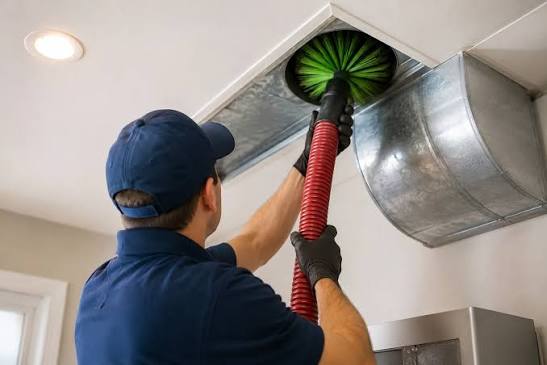
If these basic measures do not improve balance, the next useful step is a professional inspection. Technicians can use cameras or scopes to examine the interior of the ductwork, measure airflow at individual vents, and determine whether debris buildup is significant enough to warrant cleaning. In many cases a thorough cleaning that removes accumulated material with specialized vacuums and brushes restores clearer pathways and more consistent delivery of conditioned air.
When Professional Assessment Makes Sense
Professional evaluation becomes especially helpful when temperature differences persist after filters and vents have been addressed, when the system runs longer than usual without improving comfort, or when multiple rooms show weak airflow. Homes with pets, frequent renovations, or occupants sensitive to indoor air quality often benefit from periodic inspection. Combining duct cleaning with routine HVAC maintenance can also support overall efficiency by reducing strain on the blower and helping filters and coils stay cleaner longer.
Duct cleaning is not a universal fix for every imbalance. Structural issues such as major leaks, crushed flexible ducts, or original design shortcomings require different solutions. A careful assessment distinguishes between situations where cleaning will help and those that need sealing, balancing, or other repairs.
Maintaining Better Airflow Over Time
Once ducts are clear, simple habits help keep airflow more consistent. Change filters regularly according to manufacturer guidance and household conditions. Keep vents open and free of obstruction. Schedule periodic HVAC checkups so technicians can spot developing restrictions early. In homes where dust, pets, or construction activity is common, more frequent attention to the duct system may be warranted. These practices support both comfort and the long-term performance of the equipment.
Final Thoughts
Uneven room temperatures often trace back to restricted airflow, and accumulated debris inside the ducts is one realistic cause. Addressing filters, vents, and basic obstructions first clarifies whether a deeper issue exists. When professional evaluation shows significant buildup, duct cleaning services in Moorpark, CA can help reestablish clearer pathways and more consistent comfort.
Paying attention to regular filter changes and keeping vents open remains the most practical way to protect balanced airflow between professional cleanings. If temperature differences continue, arranging an inspection provides the clearest information for deciding the right next step.