

The floor is one of the largest visual elements in any home or commercial space, making it a crucial part of interior design. A well-planned flooring design not only enhances aesthetics but also improves durability, comfort, and functionality. Whether you’re building a new home or renovating an existing one, selecting the right flooring material can significantly influence the overall appearance and value of your property.
Modern flooring options offer a wide variety of colors, textures, patterns, and finishes that suit different lifestyles and budgets. From elegant hardwood and luxurious marble to affordable vinyl and durable ceramic tiles, homeowners have countless choices. Every room has unique requirements, so understanding the strengths and weaknesses of each flooring type helps you make a better investment.
This comprehensive guide explains the importance of flooring, compares popular materials, discusses current trends, and provides practical maintenance tips to help you create stylish and long-lasting interiors.
Why Flooring Matters in Interior Design
A thoughtfully selected flooring design creates the foundation of every room. While furniture and wall colors can be changed easily, flooring typically remains in place for many years. This makes choosing the right material and style especially important.
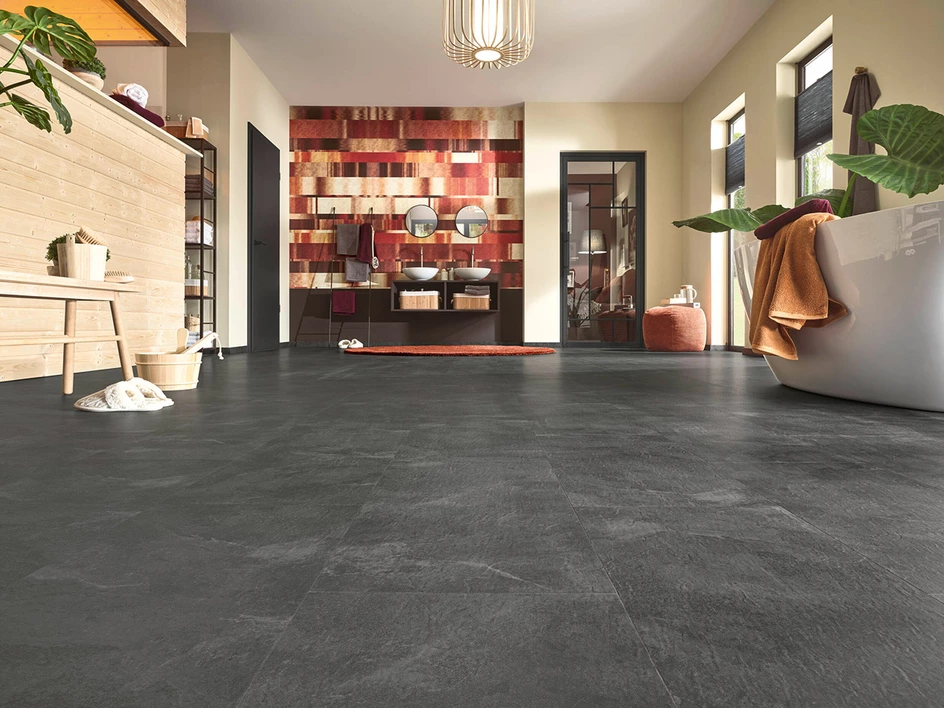
Good flooring complements architectural features, balances lighting, and defines the character of each space. Light-colored floors create an open and airy atmosphere, while darker shades add warmth and sophistication. Patterned flooring can become a striking focal point, whereas neutral tones provide timeless elegance.
Besides aesthetics, flooring contributes to comfort, insulation, noise reduction, and safety. Homes with children or elderly family members often benefit from slip-resistant materials, while busy households may require scratch-resistant surfaces that can withstand heavy daily use.
Selecting quality flooring ensures better long-term performance while increasing the resale value of your home.
Popular Flooring Materials
Hardwood Flooring
Hardwood flooring remains one of the most desired options because of its timeless beauty and natural warmth. Available in oak, maple, walnut, and other wood species, hardwood suits both traditional and contemporary interiors.
Advantages include:
- Elegant appearance
- Long lifespan
- Can be refinished multiple times
- Increases property value
However, hardwood requires regular maintenance and may not perform well in areas with excessive moisture.
Tile Flooring
Ceramic and porcelain tiles are among the most practical flooring materials available today. They are highly resistant to water, stains, and scratches, making them ideal for kitchens, bathrooms, and entryways.
Tiles are available in countless colors, sizes, and textures, allowing homeowners to create customized patterns that complement their interior décor.
Vinyl Flooring
Vinyl has become increasingly popular because it closely resembles wood or stone while remaining affordable and easy to maintain.
Benefits include:
- Water resistance
- Comfortable underfoot
- Budget-friendly
- Easy installation
- Low maintenance
Luxury vinyl planks have become a favorite choice for modern homes because they combine style with durability.
Choosing the Right Flooring Design for Every Room
Each room serves a different purpose, so flooring should be selected accordingly. Bedrooms benefit from warm and comfortable materials, while kitchens require surfaces that resist spills and stains.
Living rooms often feature hardwood or luxury vinyl to create welcoming spaces. Bathrooms demand waterproof materials such as porcelain tiles or natural stone. Basements perform better with moisture-resistant flooring like vinyl or engineered wood.
When selecting your flooring design, consider traffic levels, humidity, cleaning requirements, and overall interior style. Matching flooring across connected spaces creates visual continuity, while contrasting materials can define separate functional areas.
Choosing practical flooring helps reduce future maintenance costs while maintaining attractive interiors for many years.
Modern Flooring Design Trends
Interior design trends continue evolving as homeowners seek combinations of style, comfort, and sustainability. Today’s flooring emphasizes natural textures, larger tile formats, and environmentally friendly materials.
Popular trends include:
- Wide plank hardwood floors
- Matte finishes
- Stone-look porcelain tiles
- Herringbone patterns
- Neutral color palettes
- Sustainable bamboo flooring
- Luxury vinyl planks
- Concrete-inspired finishes
These styles blend elegance with functionality, making them suitable for modern homes of all sizes.
Minimalist interiors often feature seamless flooring transitions between rooms, creating larger-looking spaces with clean visual lines.
Comparison of Popular Flooring Materials
| Flooring Material | Durability | Water Resistance | Maintenance | Best For |
|---|---|---|---|---|
| Hardwood | High | Low | Moderate | Living rooms, bedrooms |
| Porcelain Tile | Very High | Excellent | Low | Bathrooms, kitchens |
| Vinyl | High | Excellent | Very Low | Entire home |
| Laminate | Moderate | Moderate | Low | Bedrooms, offices |
| Natural Stone | Very High | High | Moderate | Luxury interiors |
| Bamboo | High | Moderate | Low | Eco-friendly homes |
This comparison helps homeowners select flooring based on their priorities and budget.
Factors to Consider Before Selecting Flooring
Before purchasing materials, homeowners should evaluate several important considerations beyond appearance alone.
Budget plays a major role, but installation costs, maintenance expenses, and expected lifespan should also be included. Climate conditions influence material performance, particularly in humid or extremely dry regions.
Important factors include:
- Room function
- Family lifestyle
- Pets and children
- Moisture exposure
- Maintenance needs
- Installation cost
- Long-term durability
- Interior design style
A carefully planned flooring design balances beauty, practicality, and affordability without compromising quality.
Maintaining Your Flooring for Long-Term Beauty
Even premium flooring requires regular care to maintain its appearance. Proper cleaning methods vary depending on the material.
Hardwood floors benefit from gentle sweeping and specialized wood cleaners. Tile flooring should be cleaned regularly to prevent dirt buildup in grout lines. Vinyl flooring only requires mild cleaning solutions and occasional mopping.
Additional maintenance tips include:
- Use protective furniture pads.
- Clean spills immediately.
- Avoid harsh chemical cleaners.
- Place entrance mats at doorways.
- Vacuum regularly to remove abrasive dirt.
- Follow manufacturer care instructions.
Routine maintenance extends the life of your flooring design while preserving its original beauty.
Common Flooring Mistakes to Avoid
Many homeowners focus only on appearance while overlooking important practical considerations.
Choosing slippery flooring for bathrooms, ignoring moisture resistance, or selecting low-quality materials simply because they cost less can result in expensive repairs later.
Other mistakes include poor installation, mismatched flooring between adjoining rooms, and failing to consider maintenance requirements before purchasing.
Professional installation often provides better results, especially for natural stone, hardwood, and large-format tile flooring. Investing in quality materials typically reduces repair and replacement expenses over time.
Careful planning ensures that your flooring continues performing well for many years.
Benefits of Investing in Quality Flooring Design
A premium flooring design provides both immediate and long-term advantages. Attractive floors create welcoming interiors while increasing property value and improving everyday comfort.
High-quality flooring typically lasts longer, requires fewer repairs, and maintains its appearance despite heavy use. Modern materials also improve insulation, reduce noise, and enhance indoor air quality by minimizing dust accumulation.
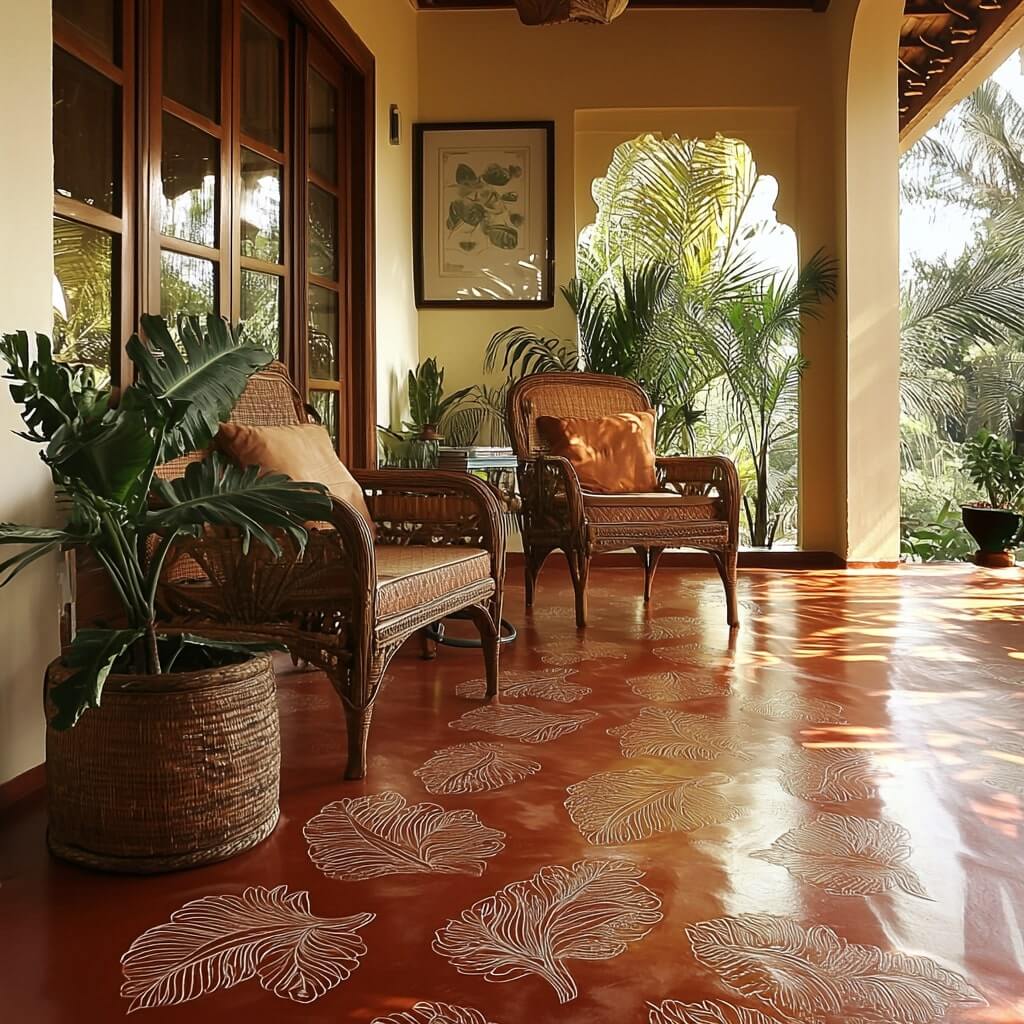
Well-designed flooring supports virtually every decorating style, making future renovations easier without replacing the entire floor. Whether your home features classic elegance or contemporary simplicity, quality flooring serves as the perfect foundation.
Instead of viewing flooring as a short-term expense, homeowners should consider it a valuable investment that delivers beauty and functionality for decades.
Conclusion
Selecting the ideal flooring design is one of the most important decisions in any home improvement project. The right flooring enhances aesthetics, improves comfort, and increases property value while meeting the practical needs of daily living. By comparing materials, understanding maintenance requirements, and considering room-specific demands, homeowners can confidently choose flooring that fits both their lifestyle and budget. Whether you prefer timeless hardwood, durable porcelain tiles, versatile vinyl, or eco-friendly bamboo, investing in quality materials ensures long-lasting satisfaction. Careful planning, professional installation, and regular maintenance will keep your floors looking beautiful for years. Ultimately, a thoughtfully chosen flooring design transforms ordinary spaces into stylish, functional, and welcoming environments that you’ll enjoy every day.
Read more: Small House Design: Smart Ideas for Comfortable and Beautiful Living


